Quick Overview: Check PMT score online using CNIC in Pakistan. Learn how BISP uses PMT scores for eligibility, step-by-step checking methods, and what your score means.
Introduction
Fatima sat outside the BISP office in Lahore, clutching her CNIC card tightly. She’d heard from neighbors that her PMT score would determine whether her family qualified for government assistance. Like thousands of Pakistanis, she needed to know: what exactly was this score, and how could she check it without standing in long queues?
Well, if you’re reading this, you’re probably in a similar situation. The good news? Checkingyour PMT score online by CNIC has become remarkably simpler in recent years, and I’mgoing to walk you through everything you need to know.
Read More. Payment Schedule & Latest Updates 8171 Web Portal 2026 Payment Schedule & Latest Updates
What Exactly Is a PMT Score?
Before we dive into the checking process, let me explain what this score actually represents.The PMT score (Proxy Means Test score) is essentially a poverty indicator used by Pakistan’s government programs—particularly the Benazir Income Support Programme(BISP).
Think of it as a numerical value that reflects your household’s socioeconomic condition. Thegovernment calculates this score based on various factors: your family size, housing conditions, assets, income sources, and other welfare indicators. It’s designed to identify who genuinely needs financial assistance.
Interestingly, the lower your PMT score, the better your chances of qualifying for programs like the 8171 BISP assistance. Sounds counterintuitive at first, doesn’t it? But it makes sense when you realize the score measures poverty levels—lower numbers indicate greater need.
Why Your PMT Score Matters in 2026
You might be surprised to learn just how many welfare programs now rely on this scoring system. Beyond BISP, several provincial and federal initiatives use PMT score check results to determine eligibility.
As it happens, the government has been tightening verification processes lately. Many families who previously received assistance discovered their payments stopped because their updated PMT score BISP calculations showed improved economic conditions. Fair or not, this is how the system works.
I remember speaking with a social worker in Karachi who mentioned that roughly 30% of applicants get confused about their scores and eligibility criteria. That’s precisely why understanding how to check PMT score online has become so crucial.
How to Check PMT Score Online by CNIC
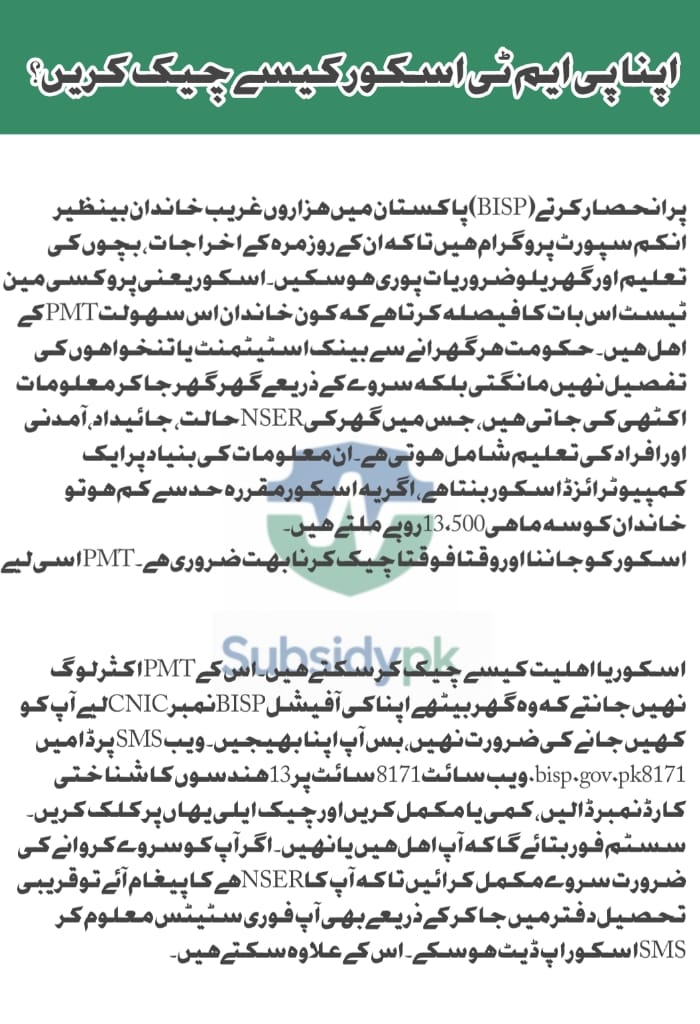
Alright, let’s get to what you came here for. There are actually several methods available now, and I’ll cover each one so you can choose what works best for you.
Method 1: The 8171 Web Portal
The most straight forward approach involves the official 8171 PMT score check online portal.
Here’s how it typically works:
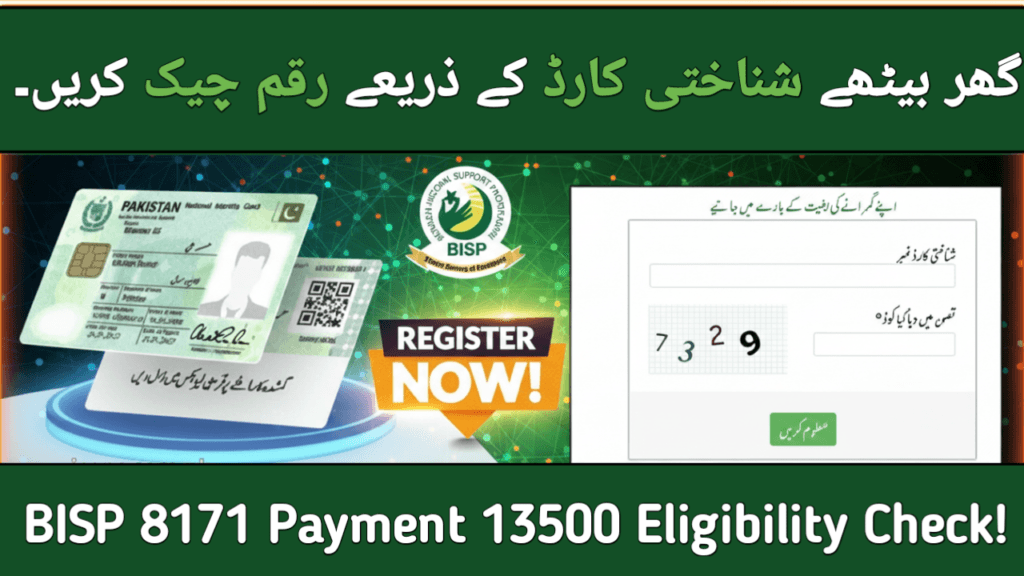
Step 1: Open your mobile browser or computer and visit the BISP web portal. You’ll need your 13-digit CNIC number handy.
Step 2: Look for the section labeled something like ‘Check Eligibility’ or ‘PMT Score Verification.’ The interface changes occasionally, but these options are usually prominently displayed.
Step 3: Enter your CNIC carefully—without dashes, just the numbers. Double-check because even one wrong digit sends you down a rabbit hole of error messages.
Step 4: Complete any verification steps (sometimes there’s a CAPTCHA or SMS code verification).
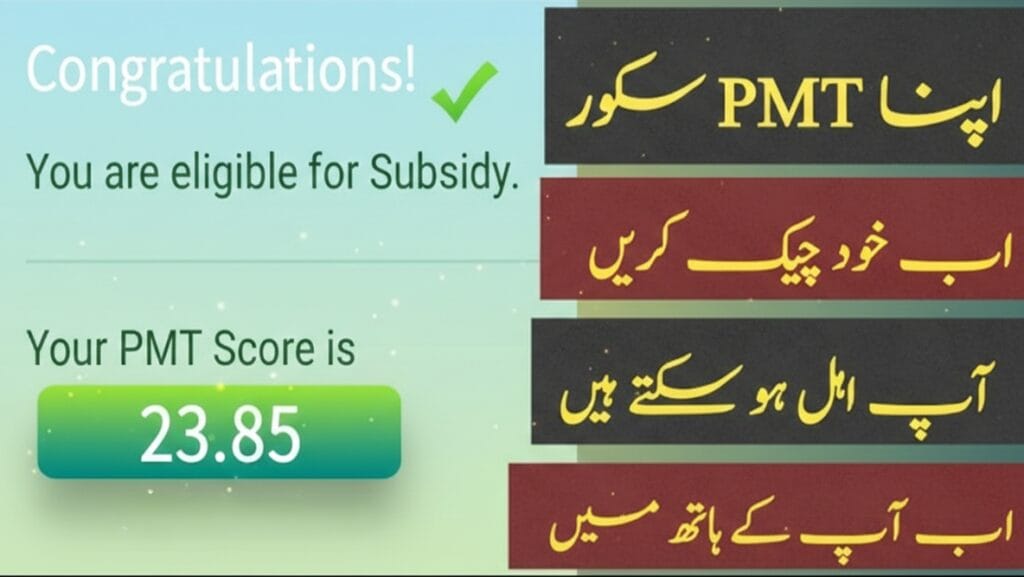
Step 5: Your PMT score should appear along with your eligibility status. Some portals also show household details that were used for the calculation.
To be honest, this method works smoothly maybe 70% of the time. Server issues and maintenance windows can interrupt access, which brings us to alternative methods.
Method 2: SMS Service for PMT Score Check by CNIC
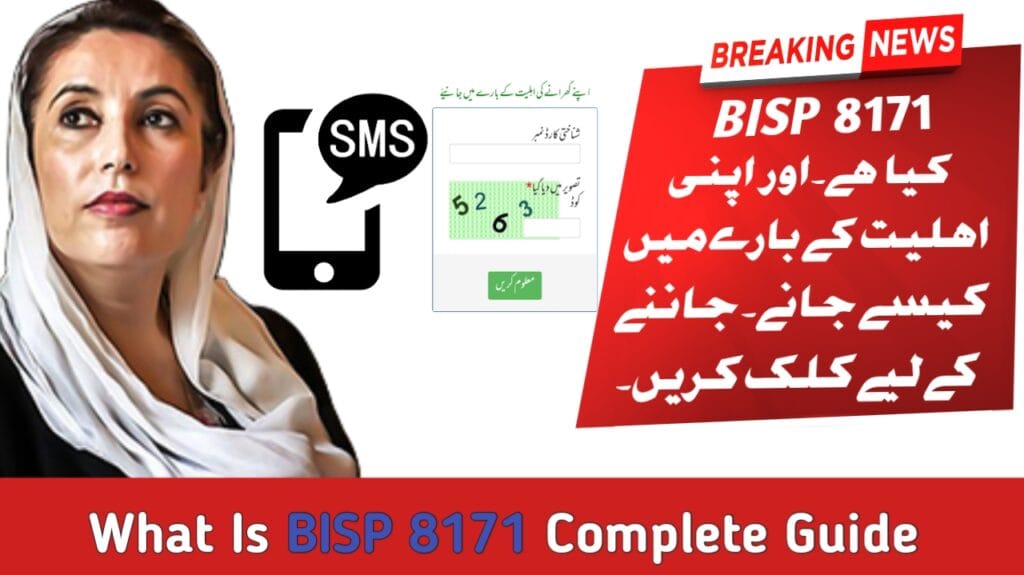
Believe it or not, you can also check BISP PMT score through a simple text message. This feels almost old-school in 2026, but it’s incredibly reliable.
Just send your CNIC number to 8171. Within minutes (usually), you’ll receive a reply with your eligibility status and score details. The beauty of this approach? It works even on basic mobile phones without internet access.
Many people in rural areas prefer this method. I’ve heard stories from villages in Sindh where entire communities learned about the SMS option through word-of-mouth, bypassing their lack of internet connectivity entirely.
Method 3: BISP Mobile Application
The BISP app has improved significantly over the past couple of years. If you’re comfortable with smartphone apps, downloading it might be your best bet for regular PMT score verification.
After installing the app, you’ll register using your CNIC and phone number. Once verified, you can check your score anytime, view payment schedules if you’re enrolled, and even update certain household information.
However—and this is important—the app isn’t perfect. Some users report occasional glitches, especially after system updates. Keep the web portal as your backup.
Understanding Your PMT Score Results
Read More. Maryam Nawaz Ramzan Package Registration
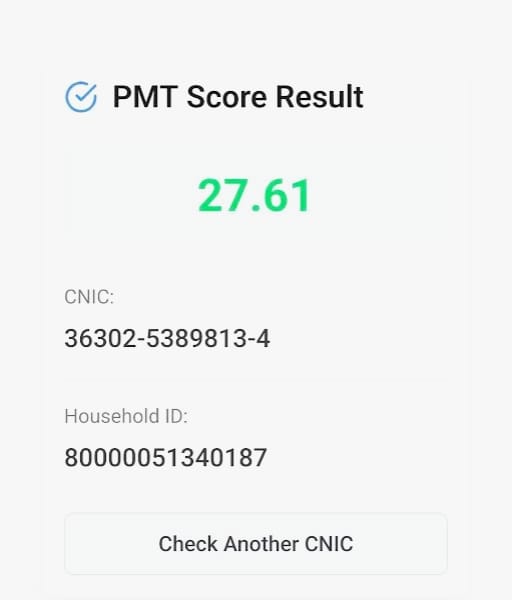
So you’ve checked your score. Now what? Let me break down what those numbers actually mean.
PMT Score Ranges and Eligibility
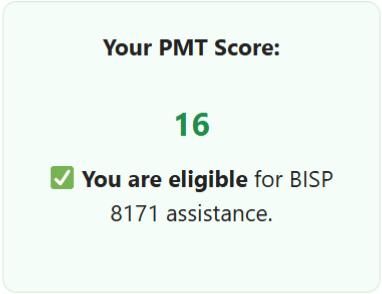
Generally speaking, BISP PMT score thresholds change based on budgetary allocations and policy decisions. As of early 2026, the dynamic poverty score cutoff hovers around 32-40 points, though this varies by program and province.
If your score falls below the current threshold, congratulations—you likely qualify for assistance. Scores above the threshold indicate your household doesn’t meet the poverty criteria according to the government’s calculations.
But here’s where it gets interesting. Your score isn’t permanent. Household circumstances change: family members might find employment, children grow up and start working, or living conditions improve. The system periodically resurveys households to update scores accordingly.
What If Your Score Seems Wrong?
Perhaps not everyone realizes this, but you can challenge your PMT score if you believe it’s inaccurate. Common reasons for disputes include:
- Outdated household information
- Incorrect asset valuations
- Changes in family composition not reflected
- Data entry errors during surveys
The complaint process typically involves visiting your nearest BISP office with supporting documentation. Yes, it means paperwork and waiting, but many families have successfully gotten their scores recalculated.
Common Issues When Checking PMT Scores Online
Through conversations with various beneficiaries and applicants, I’ve noticed several recurring problems people face:
Server Overload: Particularly around payment distribution times, the 8171 PMT score check online portals can become frustratingly slow or unresponsive. Try accessing during off-peak hours—early mornings work surprisingly well.
CNIC Mismatch: Sometimes your CNIC exists in the database with slight variations (perhaps from an old survey). If the system doesn’t recognize your number, this might be why.
Outdated Surveys: If your household wasn’t included in recent socioeconomic surveys, you might not have a PMT score on file at all. This requires registering through the official survey process.
Regional Differences: Some provinces have their own welfare systems running parallel to federal programs. You might need to check multiple databases depending on your location.
The Bigger Picture: How PMT Scores Are Calculated
You’re probably curious about what goes into this mysterious number. While the exact formula isn’t publicly disclosed (understandably, to prevent gaming the system), we know it considers numerous factors.
Housing conditions play a significant role. The survey team assesses things like roof materials, number of rooms, access to sanitation, and ownership status. Families living in katcha houses generally score lower than those in pukka structures.
Asset ownership gets factored in too. This includes vehicles, livestock, appliances, land holdings, and even things like refrigerators or motorcycles. It seems that the scoring algorithm weighs certain assets more heavily than others.
Income indicators matter, though measuring income in Pakistan’s largely informal economy presents challenges. Surveyors look at employment types, business ownership, and other indirect income signals.
Family demographics influence the score as well—household size, dependency ratios, education levels of members, and health conditions all contribute to the final calculation.
Arguably, one challenge with this system is that it might not capture sudden economic shocks.
A family whose breadwinner recently lost employment might still have a “good” PMT score
BISP based on previous conditions, leaving them ineligible despite genuine need.
Tips for Maintaining Updated Information
If you want to ensure your PMT score accurately reflects your situation, consider these practical suggestions:
Stay responsive when survey teams visit your area. These socioeconomic surveys happen periodically, and providing accurate information during these visits directly impacts your score.
Keep your BISP registration details current. If you move, change phone numbers, or experience significant household changes, inform the relevant offices. Yes, it’s bureaucratic hassle, but it pays off.
Save documentation of your household’s economic condition. If you ever need to dispute your score, having proof of income, housing conditions, or family circumstances makes the process smoother.
Read More. BISP 8171 Web Portal Check Eligibility & Get Rs. 13,500
Alternative Support Programs Beyond BISP
While we’re discussing PMT score check processes, it’s worth mentioning that BISP isn’t the only game in town. Several other programs serve Pakistani families:
Ehsaas Emergency Cash has provided relief during various crises. Eligibility often links back to PMT scores, but application processes differ.
Provincial welfare schemes exist across Sindh, Punjab, Khyber Pakhtunkhwa, and Balochistan. Some use independent scoring systems, while others reference the national PMT database.
Specialized assistance programs target specific groups—widows, persons with disabilities, senior citizens—sometimes with separate eligibility criteria beyond just poverty scores.
Exploring these alternatives makes sense if your 8171 BISP PMT score places you just above the cutoff threshold.
What Changes to Expect in the Future
The welfare system continues evolving. Recent policy discussions suggest potential refinements to how PMT scores get calculated, possibly incorporating more dynamic economic indicators.
There’s also talk of integrating biometric verification more thoroughly into the PMT score check by CNIC process, reducing fraud while (theoretically) making legitimate access easier.
Some experts note that incorporating real-time data—employment records, utility payments, mobile money transactions—could make poverty assessments more responsive to actual conditions. Whether this happens depends on technological infrastructure, data privacy considerations, and political will.
Conclusion
Checking your PMT score online by CNIC Pakistan has become more accessible than ever, whether through web portals, SMS services, or mobile applications. Understanding what your score means and how it’s calculated empowers you to navigate Pakistan’s welfare system more effectively.
Remember, these scores serve as tools for identifying households in genuine need. While no system is perfect, the PMT score check mechanism has helped channel resources toward millions of deserving families across Pakistan.
If your score qualifies you for assistance, great—make sure your registration stays current. If it doesn’t, don’t lose heart; explore other support programs, document any changes in your circumstances, and stay informed about resurvey opportunities in your area.
Read More. PSER Ramzan Package Online Registration
Frequently Asked Questions
What is a good PMT score for BISP eligibility?
There isn’t really a “good” score—lower scores indicate greater poverty and higher eligibility. Currently, scores below approximately 32-40 qualify for BISP, though exact thresholds vary and change based on program budgets and policy adjustments.
Can I check someone else’s PMT score using their CNIC?
While technically possible if you have their CNIC number, ethically and legally you should only check your own household’s score. The system is designed for personal verification, and accessing others’ information without permission raises privacy concerns.
How often does my PMT score get updated?
PMT scores typically update when new socioeconomic surveys are conducted in your area, which doesn’t follow a strict schedule. Major resurvey efforts might happen every few years, though targeted updates occur more frequently in some regions. Significant household changes can also trigger recalculations if you report them.
What should I do if the online PMT score check isn’t working?
Try the SMS method by texting your CNIC to 8171 as an alternative. If both systems fail, visiting your nearest BISP tehsil office in person remains an option. Sometimes technical issues resolve within a day or two, so patience helps—though I know that’s frustrating advice when you need information urgently.